

Introduction
Overhead power lines play a crucial role in transmitting electricity from power plants to homes, businesses, and industries. These power lines carry high-voltage electricity over long distances, requiring effective voltage regulation to ensure efficient and reliable distribution. Voltage regulation is essential to maintain the desired voltage levels within acceptable limits, minimize energy losses, and protect electrical equipment. In this article, we will explore the importance of voltage regulation in overhead power lines, the challenges associated with it, and the strategies used to optimize voltage regulation for efficient and reliable electricity distribution.
Importance of Voltage Regulation in Overhead Power Lines
Voltage regulation is vital for ensuring the proper functioning of electrical devices and equipment connected to the power grid. The voltage levels in overhead power lines need to be maintained within specified limits to prevent under-voltage or over-voltage conditions that can damage sensitive equipment or cause power outages. Proper voltage regulation also helps in minimizing energy losses due to resistive losses in the transmission lines.
In addition to protecting electrical equipment, voltage regulation plays a crucial role in maintaining the stability and reliability of the electricity grid. Fluctuations in voltage levels can lead to power quality issues, such as voltage sags, swells, and flicker, which can disrupt the operation of electrical devices and affect the overall reliability of the power supply.
Challenges in Voltage Regulation for Overhead Power Lines
Voltage regulation in overhead power lines faces several challenges due to the dynamic nature of electricity demand, changing load conditions, and the inherent characteristics of the power grid. Some of the key challenges in voltage regulation include:
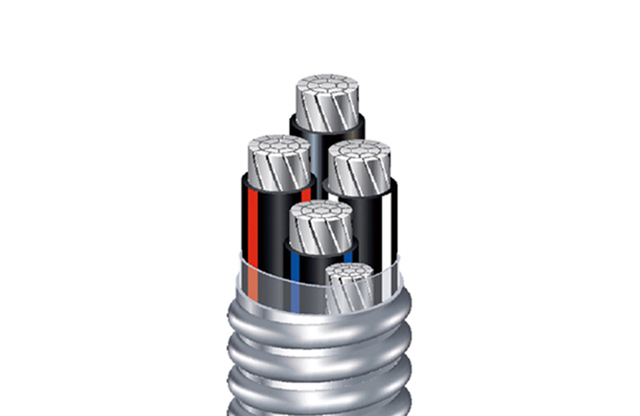
1. Voltage Drop: Voltage drop occurs when the voltage levels at the end of a transmission line are lower than the levels at the source due to the resistance of the conductors. Voltage drop can lead to under-voltage conditions in the distribution network, affecting the performance of electrical devices and appliances.
2. Voltage Fluctuations: Voltage fluctuations can occur due to changes in load demand, switching operations, or faults in the power system. These fluctuations can cause voltage instability, impacting the quality of power supply and leading to equipment failures.
3. Reactive Power Management: Managing reactive power is essential for maintaining voltage levels within acceptable limits. Reactive power is needed to support the voltage and power factor in the system, and improper management can result in voltage variations and inefficiencies in the power grid.
Strategies for Optimizing Voltage Regulation in Overhead Power Lines
To address the challenges in voltage regulation and ensure efficient and reliable electricity distribution, various strategies and technologies are employed in overhead power lines. These strategies aim to control voltage levels, minimize energy losses, improve power quality, and enhance the overall performance of the power grid. Some of the key strategies for optimizing voltage regulation in overhead power lines include:
1. Tap Changers: Tap changers are devices installed on transformers to adjust the turns ratio and regulate the voltage levels in the power system. By changing the tap settings, tap changers can compensate for voltage drops, maintain voltage stability, and ensure proper voltage regulation in overhead power lines.
2. Capacitor Banks: Capacitor banks are used to provide reactive power support and voltage control in the power grid. By injecting reactive power into the system, capacitor banks help improve power factor, reduce voltage fluctuations, and enhance voltage regulation in overhead power lines.
3. Voltage Regulators: Automatic voltage regulators (AVRs) are devices that adjust the output voltage of transformers to maintain the desired voltage levels in the distribution network. AVRs continuously monitor the voltage levels and automatically adjust the tap settings to regulate the voltage within specified limits.
4. Power Electronics: Power electronic devices, such as static VAR compensators (SVCs) and flexible AC transmission systems (FACTS), are utilized to control voltage levels, improve power quality, and enhance voltage regulation in overhead power lines. These devices provide dynamic reactive power support and voltage control to mitigate voltage fluctuations and maintain system stability.
5. Remote Monitoring and Control: Remote monitoring and control systems enable real-time monitoring of voltage levels, load conditions, and system parameters in overhead power lines. By remotely controlling voltage regulators, capacitor banks, and other devices, operators can optimize voltage regulation, respond to voltage disturbances, and enhance the reliability of the power grid.
6. Smart Grid Technologies: Smart grid technologies, such as advanced metering infrastructure (AMI), distribution automation, and grid modernization initiatives, play a key role in optimizing voltage regulation in overhead power lines. These technologies enable better visibility and control of the power system, facilitate demand response programs, and support voltage management strategies for efficient electricity distribution.
Conclusion
Voltage regulation is a critical aspect of overhead power line operation, ensuring the efficient and reliable distribution of electricity to consumers. By implementing advanced Power cable for cranes and strategies for voltage regulation, utilities can optimize voltage levels, minimize energy losses, improve power quality, and enhance the overall performance of the power grid. Effective voltage regulation in overhead power lines not only protects electrical equipment and devices but also contributes to the stability and reliability of the electricity supply. As the demand for electricity continues to grow, optimizing voltage regulation will be essential to meet the needs of a modern and sustainable energy system.